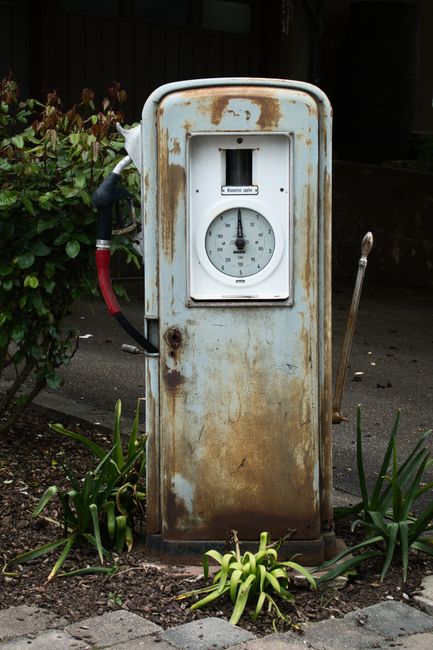
Crossness Pumping Station garden care from Thamesmead gardeners
If you are looking after a garden near Crossness Pumping Station, you already know the setting brings its own quirks. The air can feel damp, exposed spots get battered by wind off the Thames, and a neat border can go from tidy to tangled faster than you expected. That is exactly where Crossness Pumping Station garden care from Thamesmead gardeners becomes useful: local, practical help that keeps outdoor spaces healthy, presentable, and manageable without turning every weekend into a chore.
This guide explains what that kind of garden care involves, why it matters near this part of Thamesmead, and how to approach it sensibly. We will cover the everyday maintenance tasks, the common mistakes people make, and the best ways to keep planting, lawns, hedges, and hard landscaping in good shape. No fluff. Just grounded advice that fits the area and the reality of looking after a garden in south-east London.
Whether you are a homeowner, landlord, property manager, or simply trying to rescue an overgrown plot, you will find a clear path forward here. And if the job feels bigger than expected, well, it often does. Gardens have a way of doing that.
Table of Contents
- Why Crossness Pumping Station garden care from Thamesmead gardeners Matters
- How Crossness Pumping Station garden care from Thamesmead gardeners Works
- Key Benefits and Practical Advantages
- Who This Is For and When It Makes Sense
- Step-by-Step Guidance
- Expert Tips for Better Results
- Common Mistakes to Avoid
- Tools, Resources and Recommendations
- Law, Compliance, Standards, or Best Practice
- Options, Methods, or Comparison Table
- Case Study or Real-World Example
- Practical Checklist
- Conclusion
- Frequently Asked Questions
Why Crossness Pumping Station garden care from Thamesmead gardeners Matters
Gardens near Crossness Pumping Station often need more than the occasional trim. The location has a very particular feel: open stretches, changing ground conditions, and pockets where weeds, moss, and self-seeded growth seem to arrive with confidence. Add in the ordinary pressures of urban life and you have a garden that can quickly slip behind if it is not cared for steadily.
Good garden care is not just about appearance. It affects how usable the space is, how safe it feels, and how much work you will face later. A patch of long grass may look harmless, for example, but it can hide uneven ground, encourage pests, and make future mowing awkward. Shrubs left unchecked can narrow paths, block light, and crowd smaller plants. Around exposed Thamesmead settings, neglected growth can also become shabby very quickly after a windy spell or a wet week. It shows.
There is also a wider practical point. A cared-for garden tends to hold up better through seasonal swings. In damp conditions, regular maintenance reduces the spread of fungus and moss. In dry weather, healthier soil structure and sensible planting choices help beds cope better. In winter, tidy borders and pruned growth are easier to manage than a dense, brittle mess that snaps at the first frost.
That is why local knowledge matters. Thamesmead gardeners are used to the kind of maintenance rhythm that suits this area. They know when to cut back, when to leave structural growth alone, and when a bit of patience is better than an aggressive tidy-up. Truth be told, that judgment often makes the biggest difference.
If you want the broad picture first, it can help to look at the wider range of support available through the full services overview and then match the work to your garden's actual condition. That saves money, time, and a few headaches.
How Crossness Pumping Station garden care from Thamesmead gardeners Works
In simple terms, garden care is the process of keeping the space healthy, tidy, and functional through regular attention and targeted interventions. Near Crossness Pumping Station, that usually means a mix of mowing, edging, pruning, hedge cutting, weed control, border tidy-ups, and seasonal maintenance. Sometimes it is routine. Sometimes it is a bit of a rescue mission.
The process often starts with a visual assessment. A gardener checks what is actually happening in the space, not just what looks untidy from the gate. Are the lawns patchy or overgrown? Are shrubs blocking light? Is the soil waterlogged in one area and bone dry in another? Does anything need clearing before maintenance can begin? These questions matter because the wrong first cut can create more problems than it solves.
After that, the work is usually prioritised. For example:
- safe access is cleared first
- large waste or debris is removed
- lawns and edges are brought back to shape
- hedges and shrubs are trimmed carefully
- borders are weeded and reset
- problem areas are identified for follow-up work
That follow-up bit is often overlooked. A lot of gardens do not need one-off effort as much as they need a sensible maintenance rhythm. A one-time tidy can make a space look better for a week. A regular plan makes it stay better.
For bigger jobs, local teams may combine garden care with garden clearance if the space has become cluttered, or with ongoing garden maintenance if you want a consistent schedule. That is usually the smart route when the garden has moved past the point where a quick spruce-up will do.
What a typical visit may include
Not every visit looks the same, but common tasks include:
- grass cutting and trimming around edges
- hedge shaping and controlled reduction
- pruning of shrubs, climbers, and overextended growth
- weeding by hand or with suitable tools
- deadheading and removal of spent material
- leaf clearance and seasonal tidying
- light shaping of beds and paths
In some gardens, there is also a landscaping element. Maybe the layout no longer works, or a bed has sunk, or the patio edge has shifted. In those cases, a gardener may recommend broader landscaping support or more structured landscape gardening to improve the garden's long-term shape. That sort of work can turn a tired space into something much easier to maintain.
Key Benefits and Practical Advantages
The obvious benefit is that the garden looks better. But there is more to it than curb appeal, as the phrase goes. Good garden care brings a few practical wins that people often appreciate more after the fact than before it.
- Less stress: You are not constantly staring at an overgrown patch thinking, "I'll deal with that next weekend."
- Better usability: Paths, lawns, and seating areas become easier to use day to day.
- Healthier planting: Regular pruning and weed control help plants breathe, recover, and grow in a more balanced way.
- Reduced repair work: When growth is managed early, you are less likely to need drastic cutbacks later.
- Safer access: Clearer routes reduce trips, snags, and awkward corners.
- Better seasonal resilience: Gardens that are maintained steadily tend to cope better with wet, wind, and heat.
There is also a quiet financial benefit. A garden that is looked after consistently usually costs less to bring back into shape over time than one that is left to run wild and then tackled in one huge blow. That is not always dramatic, but it is real. The work is easier when the job does not have to start from zero.
For properties with timber features, seating areas, or outdoor entertaining spaces, good care often supports the whole setting. If you are already considering practical improvements, it can make sense to think about complementary elements like decking services so the garden is not just tidy, but genuinely usable.
Expert summary: The best garden care near Crossness Pumping Station is usually steady, seasonal, and tailored to the site. Fast fixes help, but a proper maintenance rhythm is what keeps the place under control.
Who This Is For and When It Makes Sense
This kind of garden care is useful for a wide range of people, and not just those with large gardens. In fact, smaller spaces often benefit just as much, sometimes more. A compact garden can look messy very quickly if the edges are neglected or the plants become crowded.
You might need this service if you are:
- a homeowner who wants the garden kept tidy without spending every spare evening on it
- a landlord preparing a property between tenancies
- a housing or property manager responsible for a shared outdoor space
- someone returning to a garden after a long period of neglect
- a household that wants seasonal care rather than one-off emergency clean-ups
It also makes sense when the garden is "mostly fine" but never quite stays there. You know the type. It looks acceptable from a distance, then you notice the hedge is leaning into the path, the lawn is getting fuzzy at the edges, and one bed has quietly become a weed nursery. That is usually the point where regular support starts to feel worthwhile.
Families with limited time often choose maintenance help simply because the garden needs consistency. Older residents may want assistance with physical tasks that have become awkward or risky. And new homeowners often discover that the garden they inherited is not quite the weekend hobby they imagined. Happens all the time.
Step-by-Step Guidance
If you are deciding how to approach garden care near Crossness Pumping Station, it helps to break the job into manageable steps. That way, it feels less like a giant lump of outdoor chaos and more like a set of sensible actions.
- Walk the garden slowly. Look at it from the gate, the patio, and the back corners. Notice where growth is thick, where water sits, and where access feels awkward.
- Identify the priority areas. Usually these are the lawn, paths, hedges, borders, and any overgrown shrubs or trees. Deal with the areas that affect use and safety first.
- Clear debris and loose waste. Fallen branches, dead leaves, broken pots, and old plant material should come out before the real shaping begins.
- Tackle the lawn. Mow to an appropriate height, edge it cleanly, and avoid taking too much off in one go if it has been neglected.
- Prune with intent. Cut back dead, damaged, or overlong growth, but do not strip plants bare just for the sake of a tidy look.
- Weed and reset beds. Remove invasive growth, then re-establish bed lines so the garden structure is visible again.
- Review problem spots. Shade, drainage, and compacted soil often need more than a trim. Note these for future work.
- Set a maintenance rhythm. Weekly, fortnightly, or seasonal visits may be enough depending on the garden's pace of growth.
That last step matters a lot. A garden near the Thames corridor can change quickly after rain, wind, or a spell of warm weather. If you wait for it to "settle down," you may be waiting a while.
Expert Tips for Better Results
Experienced Thamesmead gardeners tend to rely on practical habits rather than dramatic techniques. The best results usually come from doing the ordinary things well and at the right time.
1. Cut less, more often
This is especially true for lawns and hedges. Light, regular maintenance gives cleaner results and avoids stress on the plants. It also means less waste in each visit, which is handy.
2. Watch the weather window
On damp mornings, some work is better delayed. Wet grass clumps, pruned surfaces can look ragged, and muddy access can make everything harder. A dry hour or two makes a big difference. Not glamorous, but true.
3. Keep an eye on drainage
In open Thames-adjacent locations, pooling water or soggy patches should be taken seriously. You do not need to become a drainage engineer. Just notice where the ground stays wet, because that is often the area that needs the most careful management.
4. Match the care to the plant
Different plants want different treatment. A loose ornamental shrub does not need the same kind of haircut as a formal hedge. If in doubt, preserve shape first and refine later.
5. Plan for the next month, not just today
This is the big one. Good garden care is not a single event. Think ahead to what will grow back, what will flower, and what will become awkward if ignored. That mindset saves a lot of second-guessing.
If you are working with a more complex site, it can also help to use hedge trimming support for formal boundaries or lawn mowing for areas that need regular presentation. Those two services, in particular, often carry a garden visually while the rest of the work catches up.
Common Mistakes to Avoid
Some mistakes are obvious only after you have made them. Gardening has a cheerful way of teaching lessons like that.
- Cutting too much at once: Heavy pruning can shock plants and leave gardens looking stark rather than smart.
- Ignoring the borders: A tidy lawn does not hide messy edges for long.
- Leaving waste on site: Piles of clippings or branches block access and make the garden feel unfinished.
- Using the wrong timing: A wet or frost-prone day is rarely ideal for delicate work.
- Trying to solve structural problems with trimming alone: Poor drainage, compacted soil, and awkward layout need more than a quick cut.
- Forgetting regularity: One-off efforts often create a short-lived result. Then everything grows back, naturally enough.
Another common error is assuming all overgrowth is the same. A hedge, a climber, and a self-seeded sapling each need a different approach. Treat them like one problem and you may end up with uneven growth or damaged plants. That is where a bit of experience saves you time.
Tools, Resources and Recommendations
You do not need a shed full of specialist gear to maintain a garden properly, but the right tools help. For home maintenance, the essentials are usually straightforward.
- sharp secateurs for small pruning work
- long-handled loppers for thicker stems
- a reliable mower suited to your lawn size
- hedge trimmers for formal or semi-formal hedges
- stiff rakes for leaves and loose debris
- gloves that actually fit, which sounds basic, but matters
- waste bags or bins for cuttings and cleared material
For heavier or more awkward work, professional support is often the better choice. That is particularly true if you need tree-related attention, structural reshaping, or a large seasonal clean-up. In those situations, tree lopping and removal may be relevant, though only where necessary and handled carefully. Large woody work is not something to guess at.
If your garden has become crowded after months of neglect, combining maintenance with clearance work often gives a better starting point than trying to maintain a problem that has already outgrown itself. It is a bit like trying to organise a garage before you have lifted the boxes off the floor.
And for readers who like to plan ahead, the site's pricing and quotes information is a useful place to begin understanding how services are typically scoped, while recycling and sustainability gives a sense of how green waste and materials may be handled responsibly.
Law, Compliance, Standards, or Best Practice
Garden care is not heavily regulated in the same way as some trades, but there are still sensible standards to follow. If work involves trees, access routes, waste disposal, or shared spaces, the job should be done with appropriate care, good housekeeping, and safe working practices.
In a practical sense, best practice means:
- working with proper attention to safety around tools and cutting equipment
- keeping pathways and access points clear while work is underway
- disposing of green waste appropriately
- respecting neighbours, shared boundaries, and quiet enjoyment of property
- avoiding damage to fences, paving, planting, or underground features
For professional services, it is also wise to ask about insurance, safe working procedures, and how the team manages site risks. A company that takes those points seriously usually takes the rest seriously too. You can review the site's insurance and safety approach alongside its health and safety policy if you want more reassurance before booking.
If you are unsure what level of service your garden needs, a careful assessment and written scope are much better than vague promises. This is where good communication matters. It prevents confusion about what is included, what is not, and what should be left for another visit. Simple, but important.
Options, Methods, or Comparison Table
Most people deciding on garden care are really choosing between three broad approaches: do it yourself, book ad hoc help, or set up regular maintenance. Each has its place.
| Approach | Best for | Strengths | Limitations |
|---|---|---|---|
| DIY care | Small, manageable gardens and confident owners | Flexible, low direct cost, hands-on control | Time-consuming, physically demanding, easy to let slip |
| One-off professional visit | Overgrown or seasonal tidy-ups | Fast reset, targeted help, useful for rescue jobs | Does not maintain itself after the visit |
| Regular maintenance | Busy households, landlords, shared or active gardens | Consistent results, easier to budget, less catch-up work | Requires ongoing commitment |
If you are on the fence, the deciding question is usually this: do you want to catch up, or stay on top of it? Those are different jobs. A lot of frustration disappears once that is clear.
Case Study or Real-World Example
A fairly typical example near Crossness Pumping Station would be a small back garden that has been left for most of the growing season. The lawn is long and patchy, the hedge has pushed outward, and the borders are full of dock, nettles, and self-set growth. Nothing dramatic, but enough to feel overwhelming.
In a real-world job like that, the best approach is usually staged. First the access is cleared, then the larger waste comes out, then the lawn is brought down gradually rather than scalped, and the hedge is reduced in a controlled way. After that, the beds are cleaned up and the garden is assessed for follow-up needs. Maybe the soil needs improvement. Maybe the hedge will need a second shaping later. Maybe the lawn needs feeding or patch repair. It depends.
What clients often notice at the end is not just that the garden looks "done," but that it suddenly makes sense again. Paths are visible. Borders have shape. The space feels like something you can walk through without thinking twice. And that mental shift, honestly, is a big part of the value.
A nearby property manager once put it rather neatly: "It went from looking unavoidable to manageable." That is exactly the point. Not magic. Just control, restored.
Practical Checklist
Use this checklist if you are planning garden care near Crossness Pumping Station and want to judge what needs doing before you book help or start yourself.
- Walk the whole garden and note problem areas
- Check whether paths, gates, and access points are clear
- Identify lawns, hedges, borders, and shrubs that need attention
- Look for signs of poor drainage, moss, or persistent damp
- Remove loose debris, broken items, and obvious waste
- Decide whether the garden needs clearance, maintenance, or both
- Consider whether tree work or structural reshaping is required
- Think about how often the space will need follow-up care
- Ask about safety, insurance, and waste handling if hiring professionals
- Set a realistic plan, not an ambitious one that collapses by Thursday
If you can tick most of those boxes, you are already ahead of the game. If not, that is fine too. It just means the garden is telling you what it needs.
Conclusion
Crossness Pumping Station garden care from Thamesmead gardeners is really about keeping outdoor spaces under control in a practical, local, and sustainable way. Around this part of Thamesmead, gardens benefit from steady attention, sensible timing, and an understanding of how quickly the weather, growth, and site conditions can change.
The best results usually come from matching the method to the mess: routine maintenance for ongoing control, clearance for a reset, and more tailored landscaping where the garden's structure needs improvement. That approach is calmer, cleaner, and usually easier on the budget over time. And yes, it also makes the garden nicer to use, which is kind of the whole point.
If you want help shaping a plan for your own space, or you are weighing up maintenance against a one-off tidy-up, start with the services that fit your garden's current condition and go from there. It does not have to be complicated.
Get a free quote today and see how much you can save.
Little by little, a good garden stops feeling like a task and starts feeling like part of home again.
Frequently Asked Questions
What does Crossness Pumping Station garden care from Thamesmead gardeners usually include?
It usually includes lawn mowing, hedge trimming, border weeding, pruning, leaf clearance, and general tidying. If the garden is heavily overgrown, clearance may be needed first.
How often should a garden near Crossness Pumping Station be maintained?
That depends on the size of the garden and how fast it grows, but many spaces benefit from regular attention during the growing season. Fortnightly or monthly visits are common starting points.
Is garden clearance different from garden maintenance?
Yes. Garden clearance is about removing overgrowth, rubbish, and built-up debris. Garden maintenance is the ongoing work that keeps a garden tidy after it has been brought under control.
Can Thamesmead gardeners help if my garden is badly overgrown?
Yes, in most cases the first step is a clearance or reset visit. After that, a maintenance plan is usually easier and more cost-effective than letting the space build up again.
Do I need hedge trimming if the hedge only looks slightly untidy?
Probably, if the hedge is starting to encroach on paths, lose shape, or block light. Early trimming is usually easier than waiting until the hedge needs a heavy reduction.
What is the best time of year for garden care work?
It depends on the task. Lawn care, pruning, and hedge work all have their own best timing windows, so a sensible gardener will adjust the approach by season rather than forcing everything into one month.
Is tree lopping and removal always necessary for an overgrown garden?
No. Sometimes selective pruning is enough. Tree work should only be suggested when it is genuinely needed for safety, health, or access reasons.
Can regular garden maintenance reduce long-term costs?
Usually yes. Small, regular jobs are easier to manage than large rescue jobs, and the garden is less likely to reach a state where major work is required.
What should I ask before booking a garden care service?
Ask what is included, whether waste will be removed, how safety is handled, and whether the work is suitable for your garden's current condition. Clear expectations matter more than people think.
Does garden care near the Thames need special attention?
It often does. Exposed conditions, damp areas, and variable soil can all affect how a garden grows and how quickly it needs attention. Local experience helps here.
Can garden care improve how my property looks to visitors or buyers?
Yes. A tidy, well-kept garden creates a much better first impression and makes the whole property feel more cared for. It is one of the quickest visual upgrades you can make.
Where can I find more information about the company and its approach?
You can look at the about us page for background, or visit contact us if you are ready to discuss your garden. If you want to understand how projects are handled, the terms and conditions and payment and security pages are also useful reading.