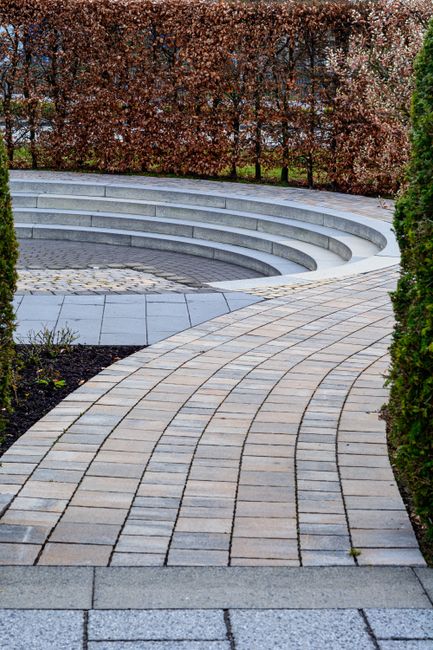
Gallions Reach garden design ideas by Thamesmead gardeners

If you live near Gallions Reach and your outdoor space feels a bit underused, you are not alone. A lot of gardens in this part of London sit somewhere between practical and promising: a patch of lawn that gets patchy, a paved area that feels cold, or a boundary line that could offer more privacy. Good Gallions Reach garden design ideas by Thamesmead gardeners are really about turning that everyday space into something that works for your life, not just something that looks neat in a photo.
That might mean a family-friendly garden that can survive muddy boots and ball games, or a quieter space with planting, decking, and a place to sit out when the evening finally warms up. Truth be told, the best gardens in this area are rarely the most complicated ones. They are the ones that suit the home, the light, the soil, and the way people actually use them. This guide walks through the ideas, methods, pitfalls, and practical steps so you can plan with confidence and avoid the usual false starts.
Why Gallions Reach garden design ideas by Thamesmead gardeners Matters
Garden design is not just about making things look prettier. Around Gallions Reach and the wider Thamesmead area, outdoor spaces often need to handle a mix of conditions: new-build plots, compact gardens, exposed corners, overlooked boundaries, shaded sections, and surfaces that can feel waterlogged after a heavy spell of rain. A design that ignores those realities tends to look fine for a few weeks, then becomes annoying. And nobody wants a garden that becomes a chore by mid-summer.
What makes local design ideas so useful is that they are shaped by the way people actually live here. You might need a space for children, pets, containers, or a small table and chairs rather than a grand lawn. You might want less maintenance, more privacy, or simply a layout that makes the garden feel wider. Those are practical goals, and they matter more than chasing a glossy style that does not suit the site.
There is also a local rhythm to think about. Thamesmead gardens can feel more open and windy than a sheltered suburban plot, so structure matters. Taller planting, sensible screening, and well-chosen materials can make a huge difference. A good plan reduces guesswork and helps you avoid spending money twice, which, let's face it, is one of the easiest ways to ruin a garden project.
Expert summary: The strongest garden designs in Gallions Reach are usually the simplest ones done well: clear zones, durable materials, and planting that suits wind, light, and maintenance needs.
How Gallions Reach garden design ideas by Thamesmead gardeners Works
The process usually starts with how the space is used now, then moves into how it could work better. A professional local gardener will usually look at access, drainage, sunlight, soil condition, existing features, and the kinds of problems you notice day to day. Is the patio too small? Does one corner stay damp? Do you want more privacy from neighbouring windows? These questions shape the design more than style trends do.
From there, the garden is typically broken into zones. That could mean a seating area, a planting border, a lawn or artificial lawn section, a storage area, and perhaps a path or stepping stones to connect them. This zoning approach keeps the layout practical. It also helps smaller gardens feel more organised, which is no small thing when the space is tight and every square metre has to earn its keep.
Local gardeners often think in layers. First comes the hard landscaping, such as paving, edging, decking, or fencing. Then comes the soft landscaping, including shrubs, climbers, perennials, and ground cover. Finally, you refine the details: lighting, pots, texture, and seasonal colour. It sounds straightforward, and in principle it is. In reality, the order matters a lot. Planting before fixing drainage, for example, can lead to headaches later.
In practical terms, a good design process is part planning, part problem-solving. A thoughtful gardener will not just ask what you want; they will ask what the site can realistically support. That is where local experience really helps. You end up with a garden that looks intentional rather than improvised.
Key Benefits and Practical Advantages
A well-designed garden near Gallions Reach can improve everyday life in surprisingly ordinary ways. You step outside with a coffee and there is somewhere to sit. The kids have a defined area to play. The garden feels calmer and less cluttered. These small changes add up, and you notice them quickly.
- Better use of space: A clear layout makes even a modest garden feel more generous.
- Lower maintenance: The right materials and planting choices reduce constant upkeep.
- Improved privacy: Screening, trellis, hedging, and layered planting can soften overlooking views.
- More usable seating areas: A good design turns a blank patch into a space you actually want to use.
- Stronger kerb appeal: A tidy, coherent garden supports the overall look of the property.
- Seasonal interest: Mixed planting gives you colour, shape, and texture through the year, not just in one month.
There is also a less obvious benefit: clarity. Once the garden has a purpose and structure, decisions become easier. You are not standing in the middle of the lawn wondering what to do next. You already know where the features belong and which materials fit the plan. That confidence saves time and, usually, saves money too.
For some homes, the real advantage is comfort. A well-designed space buffers noise, frames views, and creates a little bit of breathing room after a busy day. It is not glamorous, but it is valuable. Very valuable, actually.
Who This Is For and When It Makes Sense
This kind of design work makes sense for a few different types of homeowners and landlords. If your garden feels tired, awkward, or unfinished, you are probably in the right place already. If you are moving into a new property and want to make the outside space feel settled quickly, it is also a smart time to plan.
It is especially useful if you have one of these situations:
- a narrow or awkwardly shaped garden
- poor drainage or patches that stay soggy
- very little privacy from surrounding homes
- a garden that needs to be child-friendly or pet-friendly
- a low-maintenance brief because life is busy
- a blank outdoor space in a new-build or recently renovated home
Tenants and landlords may also look at simpler, durable options rather than high-maintenance designs. In those cases, the aim is often reliability over flourish. That does not mean boring. It just means choosing features that hold up well and do not create extra hassle.
And if you are not sure whether to redesign the whole garden or just improve part of it, that is a fair question. Sometimes the best move is phased work: fix the layout now, then add planting or lighting later. No need to do everything at once if the budget or timing says otherwise.
Step-by-Step Guidance
A strong garden design does not happen by accident. It usually follows a fairly sensible sequence, even if the finished result looks effortless.
1. Assess the space honestly
Start by looking at what is actually there. Note the direction of light, any windy spots, where water sits after rain, and which areas feel unusable. If you can, walk the garden at different times of day. Morning light can tell you one thing; late afternoon another. A garden that feels bright at noon may be surprisingly shady by 6 p.m.
2. Decide how the garden should work
Write down what matters most. Do you want a place to entertain, a low-maintenance layout, more greenery, a play area, or improved privacy? Pick the top three priorities. If you try to do everything at once, the design can become muddled. A garden needs a lead role, not six competing ones.
3. Set the structure first
Before you choose plants, decide where the main surfaces and boundaries will go. This usually includes paving, decking, paths, edges, raised beds, or screening. The structure should create usable space and make movement easy. It is the skeleton of the garden, basically, and you really do want a good skeleton.
4. Choose materials that suit local conditions
Think about durability, drainage, maintenance, and how the materials will age. For example, a timber deck can feel warm and inviting, while paving may be better for heavier use and easier cleaning. In a busy household, materials that are easy to sweep and hose down often make more sense than anything too delicate.
5. Plan the planting layers
Use a mix of evergreen structure, seasonal colour, and ground cover. In exposed gardens, choose plants that can handle movement in the wind. In shadier corners, select plants that cope without full sun. The best planting schemes look good in multiple seasons, not just when everything is in bloom.
6. Add the details last
Lighting, pots, trellis, screening, and seating are the finishing touches. They matter, but they work best when the bigger decisions are already settled. A garden with a strong base will forgive a few small changes later; the reverse is much less true.
One helpful rule of thumb: build for how you live now, but leave a little room for the future. Kids grow, routines change, and a "just a small seating area" can turn into a regular outdoor dining spot before you know it.
Expert Tips for Better Results
Here are a few practical things that experienced Thamesmead gardeners tend to keep in mind. They are not flashy, but they make a real difference.
- Use repetition wisely. Repeating a few materials or plant types makes the design feel calm and cohesive.
- Don't overfill small spaces. A compact garden can look bigger when it has breathing room.
- Mix upright and soft shapes. Straight lines are useful, but too many can make the space feel hard.
- Keep maintenance realistic. If you do not enjoy pruning every weekend, design around that honestly.
- Think about sightlines. What do you see from the kitchen window, back door, or main seating area?
- Use tall planting carefully. It can provide privacy, but too much height can make a garden feel boxed in.
Another useful tip: plan for bad weather, not just sunny days. In the UK, we all know the weather can change its mind by tea time. So choose surfaces that handle damp conditions and make sure access routes do not turn slippery or muddy.
If you want the garden to feel more expensive without overspending, focus on the first five metres you see from the house. That initial view shapes the whole experience. A neat patio edge, a well-placed planter, or a clean line of planting can make the garden feel sorted, even before every single border is complete.
Common Mistakes to Avoid
There are a few garden design mistakes that show up again and again, and most of them are avoidable with a bit of patience.
- Choosing style before function: A pretty concept that does not suit the site usually becomes frustrating.
- Ignoring drainage: If the ground is wet or compacted, fix that before adding expensive finishes.
- Making paths too narrow: Tight access can feel awkward very quickly.
- Using too many materials: The more you mix, the easier it is to lose visual coherence.
- Planting without mature size in mind: Small shrubs grow up, and sometimes out. Very out.
- Forgetting storage: Where will you keep tools, pots, or cushions?
Another common issue is underestimating upkeep. A beautiful border with lots of variety can be brilliant, but if it needs constant deadheading and trimming, it may not suit your lifestyle. There is no shame in choosing simpler planting. None at all.
Also, do not rush the first season. Gardens settle. Materials weather. Plants establish. A design often looks a little bare at first, and that is normal. With the right plan, it will come together. Sometimes slowly, but properly.
Tools, Resources and Recommendations
You do not need a huge kit to get started, but the right tools and services make the process smoother. For planning, a simple tape measure, notebook, phone photos, and a rough sketch are often enough to begin. If you are marking out zones, chalk line or canes and string can help you see the proportions before anything gets installed.
For more involved work, many homeowners look at professional support for layout, hard landscaping, planting design, and ongoing care. If your project includes more substantial changes, it may help to start with a broader service review via the services overview so you can see how different parts of the job fit together. For larger transformations, landscape gardening and landscaping can be a useful starting point.
If your garden already has the main structure in place, then maintenance support may be enough to keep the design looking good through the seasons. In that case, garden maintenance, lawn mowing, and hedge trimming can preserve the shape and neatness of the space without constant effort on your part.
For specific features, there are also focused options worth considering. Decking services can help create a warm seating zone, while garden clearance may be the first step if the space is overgrown or cluttered. If trees are blocking light or crowding the design, tree lopping and removal may be relevant, though that should always be assessed carefully and sensibly.
For practical side notes, it is worth looking at how a company handles recycling and sustainability, plus insurance and safety and health and safety policy. Those details do not make for the most exciting reading, granted, but they are exactly the sort of thing that separates a tidy project from a stressful one.
Law, Compliance, Standards, or Best Practice
Most domestic garden design work is straightforward, but there are still a few sensible checks to make before any major changes begin. If your project involves boundary work, larger trees, drainage changes, retaining features, or anything close to shared property lines, it is wise to confirm responsibilities before moving ahead. Some jobs are simple; others are not. Better to ask early than sort out a misunderstanding later.
Good practice usually includes using suitable materials, following safe working methods, checking access for equipment, and making sure any demolition or waste handling is done properly. If a project affects existing levels, surfaces, or water run-off, those issues should be considered from the start. The aim is not just a nice finish; it is a garden that performs well and does not create avoidable problems.
In many cases, the most useful standards are practical rather than dramatic: clear communication, careful measuring, safe lifting, and sensible sequencing of work. If you are hiring help, it is reasonable to expect transparent pricing, clear scope, and a proper understanding of what is included. You can review pricing and quotes, as well as payment and security, to understand how the process is handled.
It is also worth checking the company's policies and procedures page-by-page if you want reassurance. The less glamorous bits, such as complaints procedure, privacy policy, and terms and conditions, show how seriously a provider takes professionalism. That matters more than people sometimes admit.
Options, Methods, or Comparison Table
If you are deciding between different garden approaches, this quick comparison can help. There is no single right answer. The best option depends on how you use the garden, how much time you want to spend maintaining it, and how ambitious you want the project to be.
| Approach | Best for | Pros | Things to watch |
|---|---|---|---|
| Simple planting refresh | Gardens that already have a decent layout | Lower cost, quick visual improvement, easy to phase | Will not solve poor structure or drainage by itself |
| Hard landscaping upgrade | Awkward layouts, tired patios, broken access routes | Strong visual impact, better usability, more durable | Higher upfront work and planning needed |
| Low-maintenance redesign | Busy homeowners and landlords | Less upkeep, easier to keep neat, practical | Can feel plain if planting is too conservative |
| Privacy-led design | Overlooked gardens and compact plots | More comfort, better seating experience, calmer feel | Needs careful balance so it does not feel enclosed |
| Family-friendly layout | Homes with children or pets | Durable, flexible, safe to use, easy to supervise | Must avoid fragile finishes and cluttered layouts |
For many homes near Gallions Reach, the best results come from blending two approaches rather than choosing just one. For example, a low-maintenance layout with a privacy screen and a simple planting scheme can feel far more complete than a garden that tries to do everything at once.
Case Study or Real-World Example
Imagine a modest back garden in the Gallions Reach area: patchy grass, a narrow paved strip, one side overlooked by neighbouring windows, and not much interest beyond a single tired fence panel. A classic problem, really. The owner wants somewhere to sit after work, room for a couple of containers, and less mowing.
The first step would be to clear away any clutter and assess the surface levels. If the lawn is uneven or struggling, it may make sense to reduce the grass area and create a more defined central zone. A simple patio extension could make room for a table and two chairs, while edging and raised planters could bring order to the rest of the space. A few well-chosen shrubs or climbers would help soften the fence line and improve privacy without taking over.
What tends to make this kind of project successful is restraint. You do not need fifteen different features. You need a strong layout, good proportions, and planting that can survive the site conditions. Maybe a climber on trellis, a couple of structural shrubs, some seasonal perennials, and a clean seating area. That is enough to change the feel of the garden completely.
A few weeks after completion, the space would likely feel calmer, more usable, and easier to maintain. Not perfect straight away, no garden is. But noticeably better. And that is usually the point of a good local design: the improvement is felt in daily life, not just seen in photos.
Practical Checklist
Use this checklist before you start or brief a gardener. It keeps the project grounded.
- Measure the garden accurately, including any awkward corners
- Note sun, shade, wind, and damp areas
- Decide the top three priorities for the space
- Identify what should stay and what should go
- Check access for materials and waste removal
- Think about privacy from neighbouring homes
- Choose whether the space needs lawn, paving, decking, or a mix
- Plan storage for tools, bins, cushions, or toys
- Set a realistic maintenance level
- Review quotes, scope, insurance, and safety information
- Leave room for seasonal planting and future adjustments
If you can answer those points clearly, you are already ahead of the game. Honest. Half the battle is simply knowing what you want the garden to do.
Get a free quote today and see how much you can save.
Conclusion
Good Gallions Reach garden design ideas by Thamesmead gardeners are practical first and beautiful second, though ideally they should be both. The strongest plans respect the space, solve the daily annoyances, and create a garden that feels easier to use from the moment you step outside. Whether you want a low-maintenance layout, a calmer seating area, or a complete redesign, the best results come from clear thinking and careful sequencing.
If you keep the structure simple, choose materials that suit the site, and plant with the seasons in mind, you give the garden a far better chance of ageing well. And that is what most people really want, even if they start out asking for something "nice." Nice is fine. Useful and nice is better.
Take the time to plan properly, and the garden will reward you quietly, day after day. That is the lovely part, really. It just gets easier to enjoy.
Frequently Asked Questions
What are the best Gallions Reach garden design ideas by Thamesmead gardeners for small gardens?
For small gardens, the best ideas usually focus on clean lines, multi-use spaces, compact planting, and vertical features like trellis or slim screening. Keeping the layout simple helps the space feel larger.
How do I make my garden feel more private without losing light?
Use layered planting, slim trellis, and carefully placed screens rather than tall solid barriers everywhere. A mix of evergreen shrubs and climbing plants usually works well without making the space feel boxed in.
Is decking a good idea for gardens near Gallions Reach?
Yes, decking can work well if you want a defined seating area or a warm, inviting surface. It is especially useful where you want to create levels or soften a hard, flat layout. Just make sure it suits drainage and maintenance needs.
What should I do first if my garden is overgrown?
Start with clearance and a proper assessment of what is worth keeping. Once you can see the bones of the space, it becomes much easier to plan layout, access, and planting. That first clear-up is often a relief in itself.
How much maintenance should I plan for?
That depends on your lifestyle. If you are busy, choose hardy planting, fewer lawn edges, and durable surfaces. If you enjoy gardening, you can afford more variety. Be honest here, because a lovely but high-maintenance garden can become a burden.
Can a local gardener help with both design and ongoing upkeep?
Yes, many gardeners can help with the design phase and then continue with maintenance so the garden stays in good shape. That continuity is useful because the person maintaining it already understands how it was built.
What are the most common mistakes in garden redesign?
The biggest mistakes are ignoring drainage, choosing too many materials, not planning storage, and forgetting how big plants become over time. Another common one is designing for looks alone and not for everyday use.
Do I need planning permission for garden changes?
Most routine garden work does not need permission, but larger changes, boundary issues, tree work, or major alterations may need checking. If you are unsure, it is sensible to confirm before starting. Better safe than sorry, as they say.
What plants work well in exposed or windy gardens?
Hardy shrubs, grasses, and well-chosen evergreen structure plants often perform better in exposed spots. The key is to avoid fragile species that flop around or struggle in constant movement.
How can I make a new-build garden feel less bare?
Break the space into zones, add structure with planting and screens, and introduce a few durable materials to anchor the layout. New-build gardens often need a bit of softness and layering to feel settled.
What is the best budget-friendly way to improve a garden quickly?
Start with clearance, edging, and a small but well-finished seating area. Then add a few strong plants rather than buying lots of smaller ones. A tight, coherent plan usually looks better than scattering money across too many things.
How do I choose between lawn, paving, and planting?
Think about use first. If you want a play space or open feel, some lawn may help. If you want dining, entertaining, or low maintenance, paving and planting may be better. Most good gardens use a combination rather than only one surface.
For more background on services and support, you can also explore the wider blog, or learn more about the business on the about us page. If you are ready to talk through ideas for your own garden, the contact us page is the next sensible step.