SE28 Balcony Garden Solutions by Thamesmead Gardeners
If you live in SE28 and your balcony feels more like a narrow outdoor ledge than a garden, you are not alone. A lot of Thamesmead homes have the same challenge: limited space, wind exposure, awkward light, and a layout that seems designed for shoes and storage rather than plant life. The good news is that SE28 balcony garden solutions by Thamesmead gardeners can turn even a modest balcony into a calm, practical, and genuinely lovely space.
This guide walks through what works, what does not, and how to build a balcony garden that suits local conditions without making your life difficult. We will look at planting choices, structure, water management, safety, privacy, and a few simple design decisions that make a surprisingly big difference. To be fair, the best balcony gardens are rarely the fanciest ones. They are the ones that stay tidy, survive the weather, and still make you smile when you step outside with your morning tea.
For readers who want a broader view of available support, the services overview is a useful place to understand how balcony work can fit alongside other garden care. If you are comparing options or thinking ahead to budget, the pricing and quotes page can help you plan sensibly.
Why SE28 balcony garden solutions by Thamesmead gardeners Matters
A balcony garden is not just a decorative extra. In SE28, it can be the difference between a space you avoid and a space you actually use. Thamesmead properties often face a mix of wind, shade, and exposure that changes how plants behave. Some balconies get blasted by weather off open aspects; others sit in partial shade for most of the day. A good solution has to work with that reality rather than against it.
That is where local knowledge matters. Thamesmead gardeners tend to understand the practical side of balcony work: load limits, drainage, windproof planting, container selection, and how to avoid turning a compact outdoor area into a maintenance headache. A balcony can be beautiful, yes, but it also needs to be stable, lightweight, and manageable. Otherwise it becomes one of those projects that looks good for three weeks and then slowly gets on your nerves. Happens more than people admit.
There is also a comfort factor. A well-planned balcony can soften hard surfaces, reduce harsh reflections from glass and concrete, and create a private, restorative corner in the middle of urban life. That matters in a busy local area where outdoor space is precious. Even a few pots, a trellis, and a small seating corner can change how the whole flat feels.
Local gardeners bring another advantage: they can recommend solutions that are realistic for London living, not just glossy catalogue ideas. Balcony gardening in SE28 needs to be resilient. It needs to cope with a bit of weather, a bit of neglect, and the occasional gust that arrives just as you have watered everything. Truth be told, that is most of the battle.
How SE28 balcony garden solutions by Thamesmead gardeners Works
The process usually begins with a simple assessment. A good gardener will look at the balcony size, direction, exposure, floor type, railings, access, and how much time you want to spend on upkeep. That first step matters because balcony gardening is about fitting the garden to the space, not forcing a standard design into a space that cannot support it.
From there, the plan usually combines four elements:
- Structure - containers, planters, shelving, hanging options, and vertical supports.
- Plant selection - herbs, evergreen plants, flowering varieties, or compact shrubs that tolerate balcony conditions.
- Practical protection - windbreaks, secure placement, saucers, water control, and materials that do not stain or rot quickly.
- Maintenance planning - how often to water, feed, deadhead, prune, and refresh the display.
In many cases, Thamesmead gardeners will suggest starting with a container-based setup rather than permanent fixtures. That keeps the arrangement flexible. If your balcony gets more sun in summer than winter, or if you move things around to make room for a chair, flexibility is everything. A rigid design can be charming in theory and annoying in practice.
Good balcony solutions also consider the flow of use. Where will you walk? Where will the door open? Where will rain drip? Where can a watering can sit without becoming a trip hazard? These sound like small questions, but on a balcony, small questions are the whole game.
For anyone wanting to learn more about the people behind the work, the about us page gives helpful context on the team's approach. If you need to make contact once you have an idea in mind, the contact us page is the natural next step.
Key Benefits and Practical Advantages
Balcony gardening sounds aesthetic, and it is, but the real value often shows up in everyday life. A practical balcony garden delivers more than colour. It changes how you use your home.
Here are the main advantages:
- Better use of space - vertical and container planting make small areas feel intentional rather than leftover.
- More privacy - layered planting can soften sightlines from neighbouring flats.
- Improved atmosphere - greenery makes hard balcony surfaces feel warmer and less stark.
- Easy seasonal refreshes - small displays are simpler to update through the year.
- Lower commitment than a full garden - ideal if you rent or want something manageable.
- Useful growing space - herbs, salad leaves, and compact edible plants can thrive in the right containers.
There is another benefit that is easy to overlook: psychological ease. A tidy, green balcony can become the place you decompress after work, even if only for ten minutes. You step out, hear a bit of traffic in the distance, maybe a pigeon landing somewhere it should not, and the whole day softens a bit. Not glamorous. Still valuable.
From a design point of view, balcony gardens are also one of the best ways to test your style without overcommitting. Prefer wild cottage planting? You can try that. Want a sleek, architectural look with evergreen structure? That works too. Want a simple, low-maintenance herb corner? Also valid. There is no single right answer here.
Who This Is For and When It Makes Sense
SE28 balcony garden solutions are a strong fit for people who want outdoor greenery but do not have a traditional garden. That includes flat owners, renters, downsizers, busy professionals, older residents, and families who want to make a small balcony feel safer and more inviting.
It also makes sense if your current balcony is underused. If it holds only storage boxes, broken chairs, or one lonely pot that has been half forgotten since last summer, then a redesign may be more useful than you think. Sometimes the issue is not the size of the space. It is the lack of a clear plan.
This kind of solution is especially sensible if you have any of the following:
- A balcony that gets strong wind or partial shade
- Limited time for gardening
- A wish for a low-maintenance outdoor corner
- Concerns about safety, water runoff, or clutter
- A need for privacy without heavy screening
- An interest in growing herbs or compact edible plants
It may be less suitable if you want a dense, high-maintenance planting scheme but do not have time to care for it. A balcony can support a lot, but not everything. The smartest approach is usually modest, resilient, and easy to reset when needed. That is not a compromise. It is good design.
Step-by-Step Guidance
A balcony garden works best when it is built in the right order. Skip the order, and you often end up moving pots around every weekend and wondering why it still does not feel right.
- Measure and assess the space
Check the usable width, depth, and access points. Note where doors open, where rails sit, and how much direct light reaches the balcony at different times of day. - Identify the conditions
Is the space windy, shady, bright, or a mix? A sunny south-facing balcony behaves very differently from a sheltered north-facing one. - Decide the purpose
Do you want privacy, flowers, herbs, seating, or all four? Be honest here. A balcony trying to do everything usually does none of it well. - Choose the right containers
Use pots and planters that suit the weight limits and the aesthetic. Lightweight materials are often easier to manage than heavy ceramics, especially if you move things around seasonally. - Select plants for the conditions
Pick varieties that suit the wind, shade, and exposure. Drought tolerance can be a major plus on balconies, since containers dry faster than ground soil. - Plan drainage and watering
Standing water creates mess and stress. Saucers, good compost, and sensible watering routines help keep the balcony clean and healthy. - Set up structure and screening
Use vertical planting, trellis support, or narrow screening where needed. This keeps the floor open and makes the space feel more ordered. - Refine for comfort
Add a chair, foldable table, lantern, or mat if there is room. Even a simple seating nook can make the whole thing feel finished. - Maintain lightly but regularly
Check weekly for drying out, damaged leaves, and wind movement. Small regular care beats heroic weekend rescues. Every time.
A local gardener may also phase the project over two visits: one for assessment and installation, another for adjustment after the plants settle in. That can be a sensible way to get the balance right without rushing the result.
Expert Tips for Better Results
There are a few things experienced Thamesmead gardeners tend to do almost automatically, and they make a real difference.
- Think vertical first - balconies usually benefit more from height than from floor-level clutter.
- Use repetition sparingly - three matching pots often look calmer than a dozen different containers.
- Choose a wind strategy early - even modest gusts can damage tall or top-heavy plants.
- Mix soft and hard textures - a balance of leafy plants, planters, and one or two structured elements usually feels better than trying to make everything bloom at once.
- Prioritise access - if you cannot water or deadhead easily, the garden will become annoying very quickly.
- Keep the colour palette tight - two or three main colours can make a small balcony look more deliberate.
One small but useful trick: place the most fragile plants in the most protected part of the balcony, not the prettiest. That sounds obvious, yet people forget it all the time. A sheltered corner near the wall can save a lot of frustration when the weather turns.
If you are building a balcony garden for relaxation, do not fill every centimetre. Leave a little breathing room. Negative space helps the whole setup feel calmer. And, yes, it also makes cleaning easier, which is never a bad thing.
For homeowners and tenants who care about the wider service ethos, the recycling and sustainability page is worth a look, especially if you want to understand how garden waste and materials are handled responsibly.
Common Mistakes to Avoid
Balcony gardens fail for predictable reasons. The same mistakes show up again and again, and most are avoidable with a bit of planning.
- Choosing plants for looks alone - a plant that looks lovely in a sheltered nursery bench may struggle badly on a windy balcony.
- Overloading the space - too many pots, too much furniture, too many extras. It gets cramped fast.
- Ignoring drainage - excess water can stain, seep, or simply make the space unpleasant to use.
- Using overly heavy containers - especially risky where access, floor loading, or movement matter.
- Forgetting maintenance access - if you cannot reach the back row, it will eventually become a forgotten row.
- Leaving plants exposed to wind without support - tall stems and light pots can topple before you realise it.
- Mixing too many styles - a balcony can start to feel busy rather than lush.
A subtle one that catches people out: buying plants before the layout is settled. It is tempting, I know. You spot something beautiful in a pot and think, "That will do nicely." Then the balcony says otherwise. Better to design first, then shop with a clear plan.
Another common issue is expecting instant maturity. A balcony garden often improves in phases. The first week looks neat, the second week looks a bit unsure, and after the plants settle, it starts to come together. That lag is normal.
Tools, Resources and Recommendations
You do not need a huge kit to maintain a balcony garden well, but a few practical tools make life easier. Keep it simple. Complicated systems are fun for about ten minutes.
| Item | Why it helps | Best use on a balcony |
|---|---|---|
| Lightweight containers | Reduce strain and make rearranging easier | Small and medium planting displays |
| Watering can with a narrow spout | Improves control and reduces spill | Precise watering in tight spaces |
| Securing ties or discreet supports | Helps protect tall plants from wind | Vertical planting and trellis work |
| Compact compost or growing medium | Supports container plants better than garden soil | All pot-based planting |
| Moisture-check routine | Prevents overwatering or drying out | Weekly balcony maintenance |
As for plant recommendations, think in categories rather than single species names if you are starting out:
- Herbs for sunny, usable planting areas
- Compact evergreens for structure and year-round form
- Trailing plants for softening edges and railings
- Pollinator-friendly flowers where conditions allow
- Shade-tolerant foliage for less sunny balconies
It also helps to keep a small maintenance set nearby: secateurs, gloves, a soft brush for debris, and a cloth for wiping down surfaces. Nothing fancy. Just enough to stay on top of things before mess builds up.
Law, Compliance, Standards, or Best Practice
Balcony gardens are not only about style. There are sensible safety and property considerations too, especially in flats and managed buildings. Exact rules can vary by lease, landlord, managing agent, and building policy, so it is always wise to check the terms that apply to your home before making permanent changes.
Some broad best-practice points are worth keeping in mind:
- Do not obstruct escape routes or access points.
- Avoid overloading the balcony with heavy planters or furniture.
- Keep items secure so wind does not move them or create a hazard.
- Manage water runoff carefully to avoid nuisance or staining.
- Use sensible materials that will not rot, rust quickly, or create excessive debris.
If you are unsure, ask before installing anything fixed. A quick conversation can save a longer headache later. In practice, good balcony gardening is usually about being considerate: of the building, of neighbours, and of your own future self when the weather gets lively.
For reassurance around professional standards, the company's health and safety policy and insurance and safety information are useful trust points when you are deciding who to work with.
Options, Methods, or Comparison Table
There is more than one way to create a balcony garden. The right method depends on your budget, time, and how much change you want to make.
| Method | Best for | Advantages | Trade-offs |
|---|---|---|---|
| Simple container setup | Beginners and low-maintenance users | Easy to install, easy to move, flexible | Can look sparse if not planned well |
| Vertical balcony garden | Very small spaces | Uses height, keeps floor clear, adds privacy | Needs secure fixing and regular checking |
| Edible balcony garden | Herb and salad growers | Useful and rewarding, often compact | Needs more attention to watering and harvesting |
| Decorative layered design | People wanting a polished visual finish | Strong aesthetic impact, can soften a hard balcony | May need more plant variety and seasonal upkeep |
In many Thamesmead homes, a hybrid approach works best: a small number of reliable containers, one vertical feature, and a couple of plants that carry the look through the year. That balance tends to age well. It just does.
Case Study or Real-World Example
Here is a realistic example from the kind of project many SE28 residents ask for. Imagine a first-floor balcony with afternoon sun, a bit of wind, and enough room for a chair but not much else. The owner wants privacy from neighbouring windows, a few herbs for cooking, and something green that does not need daily attention.
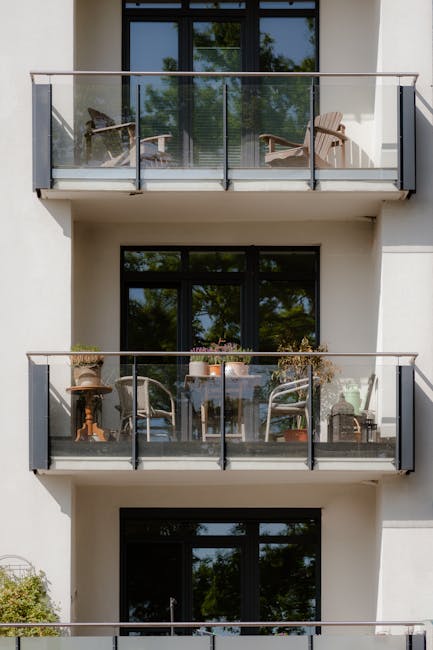
The solution starts with a narrow layout. One side gets a row of lightweight planters with mixed foliage and herbs. The railing gets a subtle vertical screen so the space feels less exposed. A corner near the wall holds the seating area, leaving a clear path to the door. A small amount of repetition in the containers keeps the design tidy rather than cluttered.
After installation, the balcony does not look overdone. It looks usable. That is the point. The owner can water in a couple of minutes, cut herbs for dinner, and sit outside in the evening without feeling watched from all sides. On a bright June evening, with the light dropping and the scent of watered leaves settling in, the space finally behaves like a room. An outdoor room, but still.
This kind of outcome is typical when the plan is driven by function first and ornament second. Beautiful follows practical. Usually.
Practical Checklist
Use this checklist before you start or when reviewing an existing balcony garden.
- Have the balcony dimensions been measured properly?
- Do you know whether the space is windy, sheltered, sunny, or shaded?
- Have you checked any building or lease rules that apply?
- Are the containers lightweight enough for safe use?
- Is drainage controlled so water will not cause mess or damage?
- Have you chosen plants that suit the light and exposure?
- Can you still move safely around the balcony?
- Is there a simple watering routine you can stick to?
- Have you allowed room for seasonal changes?
- Will the design still feel manageable in three months, not just three days?
If you can tick most of those off, you are already ahead of the game.
Conclusion
Balcony gardens in SE28 work best when they are built for real life: the weather, the space, the time you actually have, and the way you want to use the balcony day to day. With the right planning, a compact outdoor area can become a peaceful, functional extension of your home rather than a storage zone with a plant or two.
Thamesmead gardeners bring local judgement that matters in small spaces. They understand how to balance practicality with atmosphere, and how to keep things looking good without making upkeep a burden. If you want a balcony that feels calmer, greener, and easier to live with, the best time to start is usually before the space gets any more cluttered.
Get a free quote today and see how much you can save.
And if you are still weighing things up, that is fine too. A good balcony does not have to be grand. It just has to feel like yours.
Frequently Asked Questions
What are SE28 balcony garden solutions by Thamesmead gardeners?
They are practical balcony planting and design services tailored to homes in SE28, with attention to local conditions like wind, shade, limited space, and apartment living. The goal is to make a balcony greener, more usable, and easier to maintain.
Can a small balcony really support a garden?
Yes, absolutely. Even a compact balcony can hold a surprisingly effective garden if the layout is planned well. Containers, vertical planting, and careful plant selection can make a small space feel much larger and more inviting.
What plants work best on windy Thamesmead balconies?
Hardier, compact, and well-rooted plants usually perform better than tall, fragile, or top-heavy ones. A local gardener will typically suggest species that cope with exposure and do not need constant rescue after every gust.
How do I keep balcony plants from drying out?
Use the right compost, choose suitable pots, and build a simple watering routine. Smaller containers dry faster, so checking moisture more regularly is important, especially during warmer spells or windy conditions.
Do balcony gardens need special drainage?
Yes, drainage matters a lot. Containers need excess water to move away cleanly so roots do not sit wet, and the balcony surface stays tidy. Good drainage also helps prevent staining and messy runoff.
Are balcony gardens safe in flats and apartment buildings?
They can be, provided you follow building rules, avoid overloading the balcony, and keep items secure. It is sensible to check any lease or management conditions before fitting fixed features or heavy planters.
Can I grow herbs on an SE28 balcony?
Yes, herbs are often one of the best choices for balcony gardening. Many are compact, useful, and easy to harvest. They do especially well when they have enough light and a sensible watering routine.
How much maintenance does a balcony garden need?
That depends on the design. A simple container setup may need only light weekly attention, while a more layered garden with herbs and seasonal flowers can need a bit more care. The best designs are the ones you can realistically maintain.
What is the biggest mistake people make with balcony gardens?
Overcrowding. People often buy too many plants or too much furniture and then lose the sense of space. A cleaner layout usually looks better and is far easier to live with.
Can Thamesmead gardeners help with both design and upkeep?
Often, yes. Many local gardening teams can help with planning, installation, and ongoing maintenance so the balcony stays healthy and manageable rather than becoming a one-off project that slowly fades.
How do I know whether to choose containers or vertical planting?
If your floor space is very limited, vertical planting is often a smart choice because it uses height instead of width. If you want flexibility and simplicity, containers may be easier. In many cases, a mix of both works best.
Where can I learn more about the company before booking?
You can review the about us page for background, the services overview for the wider offering, and the contact us page if you are ready to ask a question or arrange the next step. If you want to understand service expectations more broadly, the terms and conditions and payment and security pages are also useful.