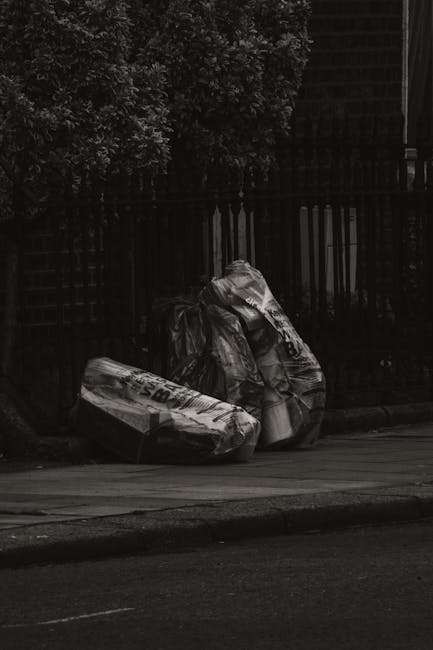
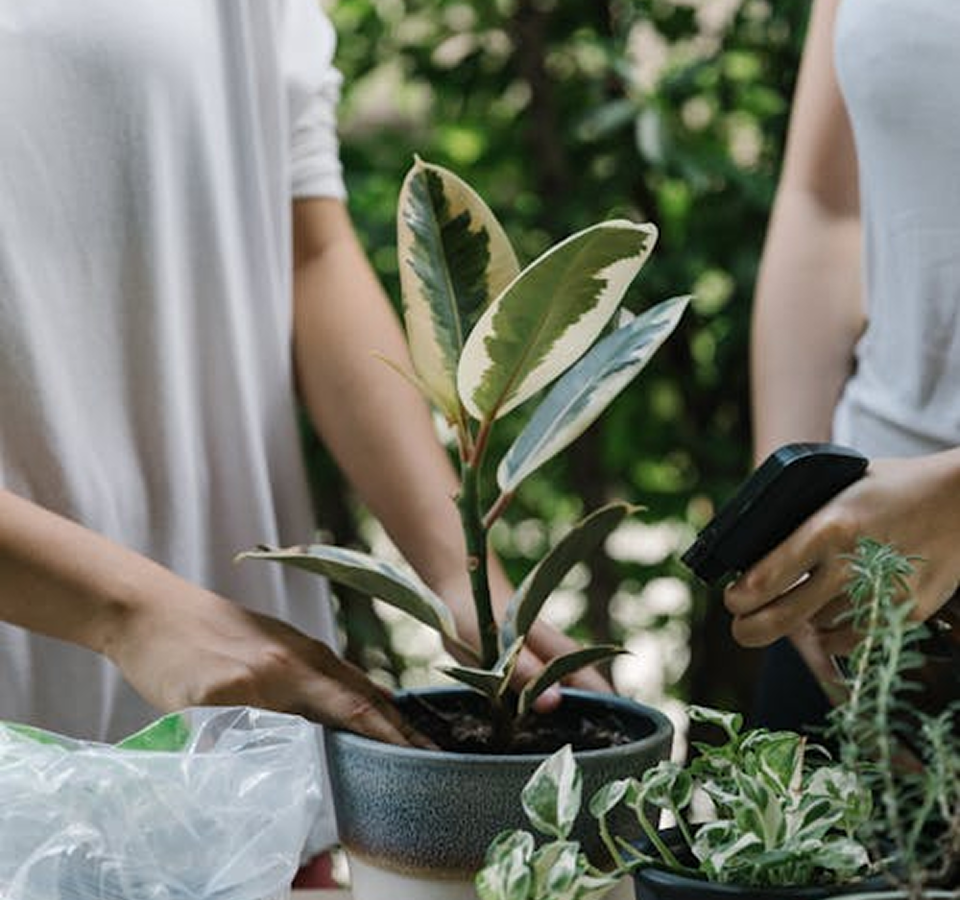
If you garden in Thamesmead, waste disposal can get oddly confusing very quickly. One minute you are pruning a hedge or clearing a border, and the next you are staring at a pile of branches, turf, soil, and old plant pots wondering what goes where. The rules around Greenwich Council waste rules for Thamesmead gardeners matter because the wrong bin, the wrong pile, or the wrong collection method can lead to extra hassle, missed pickups, or simply a mess that hangs around longer than it should.
Truth be told, most gardeners do not need legal jargon. You need clear, workable guidance: what counts as garden waste, how to store it, what not to put out, and how to stay tidy without making more work for yourself. This guide walks through the practical side of it all, with the realities of a Thamesmead garden in mind. Wet grass, overgrown shrubs, awkward side access, bulky pots, the lot.
You will also find a simple step-by-step process, a comparison of disposal options, and a realistic checklist you can use after a weekend of cutting back and clearing. If you want a broader view of how garden work fits into a full outdoor project, the services overview is a useful place to start.
Table of Contents
- Why Greenwich Council waste rules for Thamesmead gardeners Matters
- How Greenwich Council waste rules for Thamesmead gardeners Works
- Key Benefits and Practical Advantages
- Who This Is For and When It Makes Sense
- Step-by-Step Guidance
- Expert Tips for Better Results
- Common Mistakes to Avoid
- Tools, Resources and Recommendations
- Law, Compliance, Standards, or Best Practice
- Options, Methods, or Comparison Table
- Case Study or Real-World Example
- Practical Checklist
- Conclusion
- Frequently Asked Questions
Why Greenwich Council waste rules for Thamesmead gardeners Matters
Garden waste is one of those things that looks simple until you are the one handling it. A few bags of grass cuttings seem harmless enough, but once you add prunings, weeds, soil, clippings, small branches, broken planters, and maybe a bit of old compost, you can end up with a load that needs sorting before it leaves the garden.
For Thamesmead gardeners, the rules matter for three practical reasons. First, local collection services usually expect waste to be separated and presented properly. Second, not every material from the garden counts as garden waste. Third, mixing the wrong items together can create unnecessary delays or extra disposal costs. Nobody wants to be the person moving damp hedge trimmings back and forth across the drive because the first plan was a bit too casual.
There is also a wider point: good waste handling keeps the garden safer and cleaner. Piles of green waste can become slippery after rain, attract pests, and make access awkward. On a small London plot, that matters even more. Space is tight, bins are often shared or limited, and one messy collection day can throw off the whole week.
So while this topic sounds administrative, it really comes down to everyday gardening sanity. Clear the waste properly, and the rest of the job feels lighter. Leave it vague, and things get messy fast.
How Greenwich Council waste rules for Thamesmead gardeners Works
The basic idea is straightforward: separate genuine garden waste from general household rubbish and from bulky materials that need different handling. In most cases, grass cuttings, leaves, hedge trimmings, small twigs, weeds, and similar organic material are treated as garden waste. That is the good news. The less glamorous news is that soil, rubble, large branches, plastic pots, and treated timber usually need to be handled differently.
In practice, a sensible system looks something like this:
- Sort the waste as you cut, rather than creating one giant mixed heap at the end.
- Keep green waste dry if possible, especially before collection day.
- Separate reusable items such as pots, trays, labels, and compost bags.
- Check whether bulky or woody material needs cutting down before it can be collected.
- Avoid overfilling bags or containers, because heavy loads are awkward and often fail collection requirements.
That last point is one people learn the hard way. A wet sack of clippings feels manageable when you drag it across the lawn, but it suddenly gets much heavier at the kerb. Gardening is full of little surprises like that. Not all of them are charming.
It helps to think in categories:
| Waste type | Usually classed as garden waste? | Typical handling approach |
|---|---|---|
| Grass cuttings | Yes | Bag, bin, or compost where suitable |
| Leaves and small weeds | Yes | Collect separately or compost |
| Hedge trimmings | Yes | Bundle or bag neatly |
| Small branches | Usually yes, if accepted by the collection method | Cut to size and bundle safely |
| Soil and turf | Sometimes not accepted in the same way as green waste | Check before disposal |
| Plastic pots and plant labels | No | Recycle or dispose separately |
| Rubble, stones, broken paving | No | Use a separate disposal route |
If you are planning a larger tidy-up, it is often worth combining waste sorting with the rest of the garden work. For example, hedge reductions and border clearing usually go hand in hand with a hedge trimming visit or a broader garden maintenance plan. That way the waste pile is not just created randomly; it is managed as part of the job.
Key Benefits and Practical Advantages
Following the rules is not just about avoiding problems. Done properly, it makes the gardening routine smoother and, frankly, less annoying. A tidy waste system helps you work faster, plan better, and reduce the amount of time you spend dealing with leftovers after the interesting part of the job is finished.
Here are the most useful benefits in real terms:
- Cleaner working space: A clear pile system prevents tools, hoses, and offcuts getting buried.
- Lower collection risk: Properly prepared waste is less likely to be left behind.
- Less double handling: Sorting as you go means fewer trips around the garden.
- Better garden hygiene: Spoiled clippings and wet heaps are less likely to sit around.
- Smarter reuse: Leaves and soft cuttings can often be composted or repurposed.
- More predictable costs: When waste is separated correctly, you can avoid unnecessary extra disposal work.
There is a practical bonus too. Once you know what counts as garden waste and what does not, it becomes easier to decide whether a job is manageable on your own or whether you would rather bring in help. That is useful if you are comparing simple tidy-ups with a more involved garden clearance job.
Expert summary: In most Thamesmead garden jobs, the best results come from sorting waste at source, keeping organic material separate from bulky non-organic items, and planning disposal before you start cutting. It sounds boring. It saves time, which is better.
Who This Is For and When It Makes Sense
This guidance is useful for a wide range of people, not just professional gardeners. If you manage even a modest back garden, balcony planting area, or shared outdoor space, you will run into these issues eventually. Maybe after a storm. Maybe after a quick "I'll just trim this one hedge" moment that turns into a full afternoon.
It makes particular sense for:
- Homeowners in Thamesmead with regular green waste.
- Landlords who need gardens left tidy between tenancies.
- Tenants who want to avoid nuisance or overfilled communal bins.
- Older residents who prefer a clear, simple disposal plan.
- People undertaking seasonal cutbacks in spring or autumn.
- Anyone commissioning landscaping or garden makeover work.
It also matters if you are doing a bigger project and generating mixed material. For example, if you are replacing old edging, reshaping beds, and clearing out overgrown shrubs, the waste is rarely all one thing. A project like that may sit alongside landscaping or landscape gardening, where disposal planning should happen before the first spade goes in.
One small but important note: if your garden has limited access, narrow side passages, or shared paths, waste management becomes part of the job design. It is not an afterthought. Anyone who has tried to move five bags of damp clippings through a tight side return on a wet Tuesday evening will know exactly what that means.
Step-by-Step Guidance
Here is the cleanest way to handle garden waste without making a muddle of it.
1. Identify the waste before you cut
Walk the garden first. Decide what is going, what is being trimmed, and what needs separate handling. A few minutes here can save a lot of faffing later. Note any large branches, old compost, broken pots, or rubble hiding under the foliage.
2. Separate green waste from everything else
Keep grass, leaves, hedge cuttings, and weeds in one place. Put plastics, metal, stone, timber, and general litter somewhere else. This sounds obvious, but garden jobs often get messy once you are halfway through and the pressure is on.
3. Reduce bulk where it is safe to do so
Cut long stems down, tie manageable bundles, and shake excess soil from roots if appropriate. Wet soil adds weight fast. So does a twig pile that has been chopped only halfway and then shoved into a bag with a bit too much optimism.
4. Use the right container or collection method
Use strong sacks or bins that suit the volume and type of waste. For large jobs, it may make sense to arrange a dedicated collection route instead of trying to squeeze everything into household storage. If the waste is substantial, a professional clearance can be easier than repeated trips to sort and shift it yourself.
5. Store waste safely until collection
Keep bags tied, containers closed, and sharp branches secured. If you are storing waste outside, place it where it will not block gates, drains, or footpaths. Early morning dew makes everything feel slightly heavier and a bit more awkward. That is life, apparently.
6. Check the end result
Once the area is clear, look again for stray twigs, labels, broken canes, or loose weeds. Tiny leftovers are what make a tidy garden feel unfinished. A quick sweep with gloved hands or a rake usually sorts it out.
If you want help with jobs that create more waste than you expected, a scheduled lawn mowing or pruning visit can keep the whole process more predictable across the season.
Expert Tips for Better Results
Good garden waste handling is mostly about habits. Small ones. The sort you barely notice once they become normal.
- Cut while dry if you can. Dry clippings are lighter and easier to manage than soggy ones.
- Bundle brushwood neatly. It saves space and reduces snagging during collection.
- Compost the soft stuff. Leaves and grass can often be reused instead of removed.
- Keep a staging spot. One corner for green waste, one for hard waste. Simple, but effective.
- Use a tarpaulin for larger clears. Dragging waste onto a sheet makes loading easier and keeps paths clean.
- Trim in stages for bigger hedges. It is far easier to manage the waste in manageable layers than in one giant pile.
One practical trick is to work from the back of the garden forward. That way you are not stepping over cuttings all afternoon. A little thing, maybe, but it makes the day feel calmer. And calmer days usually mean better decisions.
Also, do not underestimate the value of sorting as you go. It is boring for about ten minutes, then suddenly you realise the whole task is under control. That is usually the moment the job stops feeling like a chore.
Common Mistakes to Avoid
Most waste problems do not come from bad intentions. They come from rushing, overconfidence, or assuming "garden waste is garden waste" and that all of it can go in the same pile. It cannot. Not quite.
- Mixing soil and green waste without checking: Soil is heavy and often needs different handling.
- Including plastics and plant labels in organic waste: These contaminate the load and can cause issues.
- Overfilling sacks: Very common, very annoying, and not worth the back strain.
- Leaving waste in the garden for too long: It gets in the way and can start to smell, especially in warm weather.
- Ignoring bulky branches: If it needs cutting down before removal, do that first.
- Forgetting access routes: Side paths, gates, and bins all need to be accounted for.
Another common mistake is assuming every tidy-up is a simple bin job. Sometimes it is. Sometimes it is not. If you have old timber sleepers, paving offcuts, or accumulated clearance material, garden waste rules are only part of the picture. A more substantial project may need a different disposal plan entirely.
And yes, it is tempting to shove a bit of everything into one bag and hope for the best. We have all been there. It usually ends with extra sorting later. Which is never fun.
Tools, Resources and Recommendations
You do not need a van full of specialist gear to manage waste well. A few sensible tools make the work much easier, though.
- Heavy-duty garden sacks: Better for cuttings and leaves than flimsy household bags.
- Rake and leaf grabber: Useful for pulling waste into one area without bending repeatedly.
- Tarp or sheet: Handy for moving large amounts of clippings or trimmings.
- Secateurs and loppers: Essential for reducing branch length and making bundles manageable.
- Gloves: Obvious, but worth saying. Thorny stems are nobody's friend.
- Compost bin or heap space: Ideal for soft, reusable organic matter.
For planning larger jobs, it also helps to know what service you are actually booking. Some jobs are light maintenance. Others are more like a clear-out. If you are unsure which route fits best, browsing the blog can help you understand how different garden projects are usually approached.
If you are comparing assistance options, pricing transparency matters too. The pricing and quotes page can help set expectations before you commit to a bigger waste-heavy job. And if your goal is better reuse rather than simple removal, the recycling and sustainability information may be useful as part of your planning.
Law, Compliance, Standards, or Best Practice
Without pretending to give legal advice, there are some sensible compliance principles every Thamesmead gardener should keep in mind. Local waste rules generally expect you to dispose of garden material responsibly, keep different waste streams separate where required, and avoid causing a nuisance on pavements, driveways, or shared land.
Best practice is simple enough:
- Do not place waste where it blocks access or creates a trip hazard.
- Keep loose material contained so it does not blow away.
- Do not mix garden waste with household rubbish if a separate route is available.
- Keep heavy or awkward items separate unless you know they are accepted together.
- Take care with sharp tools, thorny trimmings, and unstable piles.
If you employ help, ask about insurance, handling procedures, and safe working practices. That is not being fussy. It is being sensible. For more detail on how a professional service approaches these issues, the site's health and safety policy and insurance and safety information are worth reviewing.
There is also a practical standards angle. Good garden waste handling should leave no mess behind, should not damage neighbouring property, and should avoid contamination of recycling streams. That is the standard most customers quietly expect, even if they never say it out loud.
Options, Methods, or Comparison Table
There is more than one way to deal with garden waste, and the right choice depends on volume, access, time, and how much of the work you want to do yourself.
| Method | Best for | Pros | Watch-outs |
|---|---|---|---|
| Home composting | Leaves, grass, soft clippings | Low cost, sustainable, convenient | Not suitable for woody or mixed waste |
| Kerbside-style collection | Regular manageable garden waste | Convenient if accepted and prepared correctly | May require sorting and size limits |
| DIY transport | Smaller loads you can move safely | Flexible, direct control | Time-consuming, physically demanding |
| Professional clearance | Large or mixed garden waste | Saves time, handles bulky loads | Usually higher cost than DIY |
For many Thamesmead gardens, the sweet spot is a mixed approach. Compost what you can, separate out recyclable or reusable items, and bring in clearance help when the volume starts to tip from "weekend job" into "why did I think this was quick?"
If your garden project also involves structural changes, like new seating areas or hard landscaping, the waste profile changes again. At that point, services such as decking services or tree lopping and removal can generate very different waste streams, so it is worth planning disposal early.
Case Study or Real-World Example
Here is a typical Thamesmead scenario. A homeowner decides to clear an overgrown rear garden in early autumn. The lawn has gone patchy, the hedge is thick, the borders are full of weeds, and there are a few tired pots and cracked trays tucked behind the shed. Nothing dramatic on its own. Together, though, it becomes a decent-sized load.
The sensible approach is not to treat all of it as one pile. The soft waste goes in one section. Hedge trimmings get cut shorter and bundled. Old plastic pots are separated. Soil from rooted weeds is shaken off where possible. One broken planter is kept aside because it is not garden waste in the same sense as the clippings. By the end, the area looks cleaner, the removal is easier, and there is no weird half-sorted heap sitting in the corner for three days.
The difference is not glamorous. It is just orderly. But that order means less stress, less lifting, and a better finish. In our experience, that is what people remember most. Not the rules themselves, but how much easier the whole job felt once they stopped fighting the waste pile.
A second example: a small front garden with a hedge and a narrow path. In that case, the collection plan matters just as much as the trimming. If bags are too heavy or the route to the front is awkward, you may spend more time moving waste than cutting it. That is when a lighter, staged approach or outside help makes real sense. A garden does not need to be huge to be awkward.
Practical Checklist
Use this checklist before, during, and after a garden tidy-up.
- Have I identified all the waste types before starting?
- Have I separated green waste from plastics, timber, stones, and general rubbish?
- Do I know which items need to be cut down or bundled?
- Have I got enough strong sacks, bins, or a tarp for loading?
- Is there a clear route for moving the waste out of the garden?
- Have I left access clear for doors, gates, paths, and drains?
- Are sharp branches and thorny trimmings secured safely?
- Have I checked whether soil or bulky materials need separate handling?
- Is the waste stored neatly and safely until collection or removal?
- Have I done a final sweep for small offcuts, labels, and stray weeds?
And one final practical note: if the job feels bigger than your time or back can comfortably handle, that is not a failure. That is just common sense. There is no badge for wrestling a mountain of wet clippings on your own.
Conclusion
Greenwich Council waste rules for Thamesmead gardeners are easiest to manage when you treat waste as part of the gardening job, not as an afterthought. Separate materials early, keep the load manageable, and choose the disposal method that matches the scale of the task. That simple shift can save time, reduce mess, and make every cleanup feel a lot less like a chore.
If your garden work is small, a tidy sort-and-store approach may be enough. If it is larger or mixed, then planning ahead matters even more. Either way, the aim is the same: keep the garden clean, keep the process simple, and avoid creating extra work for yourself down the line.
Get a free quote today and see how much you can save.
And if you are still staring at a heap of hedge cuttings by the shed, take a breath. One tidy step at a time. That usually gets the garden back on track.
Frequently Asked Questions
What counts as garden waste for Thamesmead gardeners?
Garden waste usually includes grass cuttings, leaves, weeds, hedge trimmings, and small branches. Items like plastic pots, rubble, broken paving, and general household rubbish usually need separate handling.
Can I put all my garden cuttings in one bag?
Sometimes yes, but it is better to sort by type where possible. Heavy soil, woody material, and soft green waste are not always handled the same way, so mixed bags can create problems.
Do I need to dry garden waste before collection?
It is not always required, but dry waste is lighter and easier to manage. Wet clippings can become heavy fast and may be harder to store neatly.
What should I do with soil from garden clearances?
Soil is often treated differently from regular green waste. If you have a large amount, it is best to check the disposal route before mixing it with other material.
Are tree branches treated the same as hedge clippings?
Not always. Small branches may be accepted if cut to size, but thicker timber or awkward woody waste may need a different method. It depends on the disposal route you are using.
Can I compost all my garden waste at home?
No, not all of it. Soft organic waste like leaves and grass is usually suitable, but woody branches, treated timber, plastics, and contaminated material are different matters.
What happens if I mix garden waste with rubbish?
Mixed waste can be rejected, require extra sorting, or make disposal more awkward. Keeping waste streams separate is the safer and cleaner approach.
Is a professional garden clearance worth it for a small garden?
Sometimes yes, especially if access is awkward, the waste is heavy, or you simply do not want to spend your weekend hauling bags around. Small spaces can still produce a surprising amount of waste.
How do I avoid overfilling garden sacks?
Use smaller loads, especially for wet material. Keep an eye on weight as well as volume. If a sack is awkward to lift, it is probably too full.
When should I book help instead of doing it myself?
If the waste is bulky, mixed, difficult to move, or likely to take several trips, getting help usually makes more sense. It saves time and tends to leave the garden in better shape.
Are garden waste rules the same for every type of outdoor project?
Not quite. A routine hedge trim creates a different waste mix from a full landscaping job, tree removal, or decking work. The larger the project, the more important planning becomes.
Where can I learn more about related garden services?
It helps to look at the surrounding work too, not just waste removal. Pages such as garden clearance, garden maintenance, and services overview explain how a full garden job is usually managed.