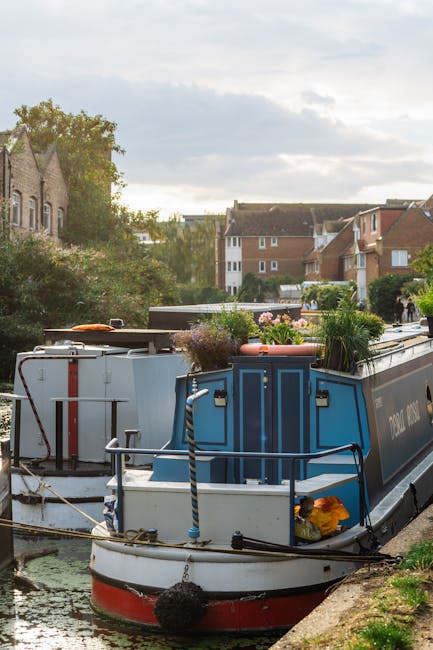
Access issues on Thamesmead canalside gardens and gardener tips
Canalside gardens look calm from the outside, but anyone who has worked on one knows they can be awkward in very ordinary ways. Narrow side paths, shared entrances, soft ground after rain, awkward steps, low railings, and limited storage space can all turn a simple tidy-up into a bit of a logistics puzzle. If you are dealing with access issues on Thamesmead canalside gardens and gardener tips are not just nice to have; they are what keep the job safe, efficient, and tidy from start to finish.
This guide explains what access challenges usually look like in Thamesmead canalside settings, why they matter, and how to plan around them without making the work harder than it needs to be. You will find practical gardener tips, a step-by-step approach, common mistakes to avoid, and a realistic look at when professional support makes sense. Truth be told, a well-prepared gardener often saves more time than a bigger toolkit ever could.
Table of Contents
- Why Access issues on Thamesmead canalside gardens and gardener tips Matters
- How Access issues on Thamesmead canalside gardens and gardener tips Works
- Key Benefits and Practical Advantages
- Who This Is For and When It Makes Sense
- Step-by-Step Guidance
- Expert Tips for Better Results
- Common Mistakes to Avoid
- Tools, Resources and Recommendations
- Law, Compliance, Standards, or Best Practice
- Options, Methods, or Comparison Table
- Case Study or Real-World Example
- Practical Checklist
- Conclusion
- Frequently Asked Questions
Why Access issues on Thamesmead canalside gardens and gardener tips Matters
Access is one of those things people tend to overlook until the first load of green waste needs moving through a narrow gate, or a mower has to be carried across uneven paving. In Thamesmead, canalside gardens can have a lovely open feel, but the practical side is often a different story. Shared walkways, waterside edges, stepped entries, and limited parking can affect how safely and quickly a garden can be maintained.
Why does that matter so much? Because access shapes almost every part of the job: what equipment can be used, how many visits are needed, how much manual lifting is involved, and whether plants, fencing, or decking areas can be reached without damage. When access is planned well, the whole job feels smoother. When it is not, you get delays, extra mess, and that awkward moment where everyone is carrying bags of cuttings one at a time like it is a relay race.
For homeowners, landlords, and managing agents, the real value is predictability. A gardener who understands access limitations can quote more accurately, work more safely, and avoid the kind of last-minute compromises that leave the garden half-finished. If you are comparing services, it can help to look at the broader services overview first, especially if the garden needs more than a single tidy-up.
How Access issues on Thamesmead canalside gardens and gardener tips Works
At its simplest, the process is about matching the garden's layout to the work that needs doing. A canalside garden might look straightforward from the bank or path, yet the practical route to every border, hedge, lawn, or raised bed can be a bit indirect.
Here is how the assessment usually works in real life:
- Entry is checked first. That means gates, side passages, steps, locks, codes, and whether tools can be carried through without snagging hedges or fencing.
- Ground conditions are reviewed. Wet turf, slippery paving, soft soil near the water, and narrow sleeper edges can all change how safely the team moves.
- Waste removal is planned. Garden waste bags, branches, and old materials need a route out. If the access point is tight, waste may need to be taken out in smaller loads.
- Equipment is matched to the site. A compact mower, hand tools, folding ladders, or lightweight clearing equipment may be better than bulkier kit.
- Work order is adjusted. Sometimes the team starts at the furthest point and works back; sometimes it is better to clear access first, then cut, prune, and tidy.
That is the simple version, anyway. The actual job often involves small judgement calls every few minutes. A damp morning can turn into a slower, more careful day, and that is fine. Better careful than sorry.
For routine upkeep, many households choose scheduled garden maintenance so the site never gets so overgrown that access becomes a bigger issue than the gardening itself.
Key Benefits and Practical Advantages
Good access planning does more than keep people happy. It changes the whole rhythm of the job.
- Safer working conditions: Less carrying over awkward surfaces, fewer trips, and less risk near water, gates, or steps.
- Cleaner results: Waste can be removed in a controlled way, so the garden does not end up with cuttings scattered along paths.
- Less plant damage: Narrow access often means brushing past beds and shrubs. Thoughtful routing helps avoid broken stems and crushed edging.
- Better time estimates: If the team knows access is limited, they can allow extra time rather than rushing.
- More accurate pricing: Time spent moving equipment and waste is part of the job, so it should be factored in properly.
- Fewer surprises: No one enjoys discovering, ten minutes in, that the only way to move hedge trimmings is by hand through a side alley that barely fits a wheelbarrow.
There is also a comfort factor. A tidy, well-managed access route makes the property feel more organised. That matters if the garden is visible from a path, canal towpath, or shared courtyard. Small detail, big impression.
If the garden has become congested with debris or old materials, a proper garden clearance service can open up the space before ongoing care begins.
Who This Is For and When It Makes Sense
This topic is relevant for quite a few people, not just professional gardeners. If your property backs onto water, has a narrow side passage, or shares access with neighbours, you will probably recognise the problem immediately.
It makes particular sense for:
- homeowners with canalside or waterside plots
- landlords needing dependable seasonal upkeep
- managing agents responsible for communal or semi-shared gardens
- older properties with step-heavy access or uneven surfaces
- properties with bulky hedging, mature trees, or narrow planting strips
- anyone planning landscaping work where materials need to be brought in and out efficiently
It is also relevant if you are considering a garden redesign. Some layouts look attractive on paper but become awkward in practice. If that sounds familiar, a conversation about landscaping or landscape gardening can help you think about access before you commit to the design.
Sometimes the garden is only a little awkward. Other times it is genuinely restricted. The difference matters. A slightly narrow path might just call for smaller loads and extra care, while a truly limited route might change what machinery can be used at all.
Step-by-Step Guidance
If you are trying to improve access for garden work, the best approach is usually practical and methodical. No drama, no overthinking. Just work through it.
1. Walk the route before touching the plants
Start by checking the full path from the entry point to the furthest part of the garden. Look for loose paving, low branches, slippery moss, awkward turns, and anything that might catch a trimmer or wheelbarrow.
2. Separate access problems from garden problems
It helps to distinguish between the garden needing work and the route to the garden needing work. For example, a blocked side passage is an access issue; an overgrown hedge is both an access issue and a maintenance issue. That distinction matters when planning the order of work.
3. Clear the easiest route first
In many canalside gardens, the smartest move is to create a clear path before the main cutting or clearing begins. That can mean removing loose pots, shifting furniture, or trimming back one side of a hedge just enough to get equipment through safely.
4. Choose tools that suit the site
Large kit is not always better. In tight gardens, compact tools, hand pruners, smaller mowers, and manageable bags often beat heavy equipment. The goal is not to look impressive; the goal is to get the job done without damaging the garden or the path.
5. Plan waste movement in stages
Rather than waiting until everything is cut and then dealing with the mess, move waste out gradually. That keeps routes clearer and makes the working area less cluttered. It is one of those boring habits that saves a lot of faff.
6. Protect vulnerable surfaces
If a garden has decking, sleepers, soft borders, or decorative paving, make sure heavy items are not dragged across them. Use lifting rather than sliding wherever possible, and keep an eye on wet surfaces near the waterline.
7. Finish with a final access check
Once the job is done, walk the route again. Make sure gates close properly, paths are clear, waste is removed, and no tools are left behind. Sounds obvious, but on a busy day it is easy to miss a thing or two.
For jobs that involve a lot of edging, pruning, or lawn refreshes, regular lawn mowing and hedge trimming can stop access from becoming progressively worse over time.
Expert Tips for Better Results
Here is the part that tends to make the real difference. Not theory. Not glossy advice. Just practical habits that work.
- Measure access before quoting. If a mower, hedge cutter, or waste bag cannot pass through a route comfortably, the whole job needs a different setup.
- Photograph tight spots. A few clear pictures of the side passage, gate, and garden entrance help avoid misunderstandings before the visit.
- Use smaller loads near narrow exits. It takes longer, yes, but it reduces spills and strains.
- Trim from the access side first. If a hedge or shrub is limiting movement, open the route before tackling the rest.
- Keep one clear staging area. A single corner for tools and waste is better than scattering everything around the plot.
- Watch the weather. Canalside ground can hold moisture. A path that felt fine at 9 a.m. may be slick by lunchtime.
- Think about sequencing. Clearance first, then pruning, then mowing, then finishing touches. That order often works best in tighter spaces.
One small but useful habit: keep a note of what slows the job down. Was it the gate width? The slope? The waste route? Next time, that note saves time. Tiny detail, real payoff.
If your project includes structural changes, hard surfaces, or a fresh layout, it is worth exploring decking services carefully too, because access around decking can be as important as the deck itself.
Common Mistakes to Avoid
Most access problems are manageable. The real trouble starts when they are ignored.
- Assuming the garden will "sort itself out" once work starts. It usually does not.
- Using oversized equipment because it is available. Convenience for the worker can become damage for the site.
- Leaving waste routes until the end. That creates bottlenecks and messy walkways.
- Forgetting shared access etiquette. In canalside settings, neighbours and passers-by may be moving through nearby routes too.
- Skipping a pre-visit check. This is where avoidable surprises tend to hide.
- Rushing wet or uneven ground. It is the classic mistake, and honestly one of the easiest to avoid if you slow down for five minutes.
Another common issue is treating every hedge or tree as if it can be cut back aggressively to improve access. Not always a good idea. Sometimes light, careful pruning is the safer, better-looking solution. If woody growth is limiting movement or light, a proper tree lopping and removal assessment may be needed rather than guesswork.
Tools, Resources and Recommendations
You do not need a van full of specialist gear to handle access issues well. You do need the right mix of common-sense tools and a sensible approach.
| Tool or resource | Best use | Why it helps in canalside gardens |
|---|---|---|
| Compact mower | Smaller lawns and tighter turns | Easy to carry through narrow access |
| Hand shears and secateurs | Precision trimming | Less risk of damaging walls, railings, or edging |
| Foldable bags or tubs | Waste collection | Move cuttings out in smaller, safer loads |
| Lightweight tarps | Debris control | Help contain cuttings on paving or hard surfaces |
| Non-slip footwear | Wet or sloping access | Important near canalside routes where surfaces can be slick |
| Pre-visit photos | Planning and quoting | Reduces surprises and helps choose the right method |
Useful preparation also includes simple housekeeping: keeping gate keys available, clearing cars from access points, and warning neighbours if a shared route might be used for waste removal. Small things, but they add up.
For ongoing care, a structured maintenance plan is often the best long-term resource because it keeps the site workable instead of letting access deteriorate between visits.
Law, Compliance, Standards, or Best Practice
For most garden jobs, the key legal and practical expectations are straightforward: work safely, avoid unnecessary risk, and respect neighbouring access and property. Where access is shared or tight, good practice matters just as much as the formal rules.
In the UK, gardeners and property owners should think carefully about:
- Health and safety: Safe lifting, stable footing, and sensible equipment use are basic expectations.
- Insurance: If work is being carried out by a contractor, it is wise to check that they carry appropriate cover. Accidents are rare, but they do happen.
- Access permissions: Shared entrances, communal paths, and managed spaces may need coordination before work begins.
- Waste handling: Green waste should be stored, moved, and disposed of responsibly.
- Neighbour consideration: Canalside properties often sit close together, so noise, route use, and tidiness matter.
If you want to understand how a contractor approaches these issues, look for clear wording around health and safety policy, insurance and safety, and how waste is handled through recycling and sustainability. Those pages can tell you quite a lot about how seriously a business treats the practical side of the job.
If you are unsure whether a task is suitable for a DIY attempt, err on the cautious side. A narrow route next to water, a steep step, or a heavy branch is not the place for improvisation. Let's face it, nobody wants a gardening job to turn into a story people retell for the wrong reasons.
Options, Methods, or Comparison Table
Different access situations call for different methods. There is no one perfect answer, but there is usually a better choice once the site is understood properly.
| Method | Best for | Pros | Limitations |
|---|---|---|---|
| Manual access planning | Small or awkward gardens | Flexible, careful, low risk | Slower for larger jobs |
| Compact tools and staged waste removal | Narrow side passages and shared routes | Reduces damage and blockages | Can increase labour time |
| Full clearance before maintenance | Overgrown canalside plots | Restores access quickly | May need more than one visit |
| Design-led reshaping | Gardens with recurring access problems | Improves long-term usability | Requires planning and possibly more budget |
In practice, a mix of methods is often best. A neglected plot may need clearance first, then regular maintenance, then a few design tweaks so the issue does not keep coming back. That is the sensible route most of the time.
Case Study or Real-World Example
Imagine a canalside garden in Thamesmead with a narrow side gate, a small lawn, and a hedge that has slowly crept over the path. On paper, it looks like a simple half-day job. In reality, the gate only allows one person through comfortably, the route bends sharply near a planting bed, and the waste has to be carried out in bags rather than wheeled.
The first visit is spent opening the access route: trimming back the hedge, removing fallen branches, clearing a line to the back of the garden, and making sure the path is safe underfoot. After that, the lawn can be cut properly, the borders neatened, and the waste removed without scraping up the paving. A second visit a few weeks later is then much faster because the garden is no longer fighting the gardener at every turn.
What changed? Not the amount of skill, really. The difference was planning. Once the access route was respected, the job became far more manageable. You notice this kind of thing often in canalside work. A garden does not need to be huge to be awkward. It just needs one or two bottlenecks.
If a property has become too congested for routine care, starting with a proper garden clearance can reset the space and make future visits much easier.
Practical Checklist
Use this checklist before any canalside garden visit or planned maintenance cycle.
- Check gate width and opening direction
- Confirm keys, codes, or access arrangements in advance
- Walk the route and identify slippery or uneven surfaces
- Look for low branches, tight corners, and blocked passages
- Choose tools that fit the route, not just the task
- Plan where waste will be staged and removed
- Protect paving, edging, and decking surfaces
- Keep shared paths clear for neighbours or passers-by
- Take a quick final sweep for tools and debris
- Review what slowed the job down for next time
Expert summary: If access is difficult, the smartest solution is rarely brute force. It is usually a combination of better timing, smaller loads, lighter tools, and a cleaner plan for movement through the site. That approach protects the garden, the worker, and the finished result.
Conclusion
Access issues on Thamesmead canalside gardens are not unusual, and they are not a sign that the garden is a problem. They simply mean the site needs a bit more thought before work begins. Once the route in and out is understood, the whole process becomes calmer, safer, and much more efficient.
The best gardener tips here are also the simplest: plan first, carry less, clear the route early, and respect the limits of the space. A little patience goes a long way, especially in a waterside setting where surfaces, steps, and shared paths can change the feel of a job very quickly. If you keep access in mind, the garden usually rewards you for it.
Get a free quote today and see how much you can save.
If you want to learn more about the team behind this approach, you can also visit the about us page. And when you are ready to talk through your garden, the contact page is the easiest next step.
Frequently Asked Questions
What are the most common access issues in canalside gardens?
The most common issues are narrow gates, shared paths, uneven paving, steps, wet ground, and limited space for moving waste or equipment. In Thamesmead canalside settings, water-adjacent surfaces can also stay damp for longer, which makes footing more important than people often expect.
Can a gardener work in a garden with very narrow access?
Yes, usually they can, but the work method may need to change. Smaller tools, hand removal of waste, and a slower, staged approach often make the job possible. If the route is extremely tight, a pre-visit discussion is the best way to avoid problems.
Do access issues affect the cost of garden work?
They can, because difficult access often takes more time and may require lighter equipment or extra manual handling. That does not automatically mean the job is expensive, but it does mean access should be discussed early so the estimate is realistic.
What should I tell a gardener before they visit?
Tell them about gate widths, steps, locks, shared entrances, any parking limits, and whether waste will need to be carried a long distance. Photos are helpful too. A few clear images can save a lot of back-and-forth.
Is it better to clear the access route first or start with mowing?
Usually, clear the access route first if it is blocked or overgrown. That makes the rest of the job safer and easier. If access is already fine, then mowing or border work may come first depending on the layout.
How do I stop my canalside garden access from getting worse?
Regular trimming, routine garden maintenance, and keeping hedges and climbers away from gates and paths make a big difference. The trick is not letting small growth become a barrier. It sneaks up on you, really.
Are there safety concerns near water when gardening?
Yes. Wet surfaces, slippery edges, and sloping ground all deserve extra care. Good footwear, tidy work areas, and clear routes matter more in canalside gardens than in a standard front or back garden.
When should I consider garden clearance instead of maintenance?
If the site is heavily overgrown, blocked, or full of debris, a clearance is often the better starting point. Maintenance works best once the garden is already accessible enough for routine care.
Can landscaping help solve access problems long term?
Yes, it often can. Better path placement, simpler routes, improved edging, and more practical planting can all reduce recurring access trouble. A good layout should look nice and function well. Both matter.
What if my garden shares access with neighbours?
Then communication matters. Arrange timing carefully, keep routes clean, and avoid blocking shared passages. In shared spaces, being considerate is part of the job, not a bonus.
How do I know if a contractor is prepared for access challenges?
Look for clear questions during the enquiry stage. A contractor who asks about gates, waste routes, wet areas, and equipment access is usually thinking properly about the job. That is a good sign. A very good sign, in fact.
What is the best first step if I am unsure where to start?
Start with a simple walkthrough of the garden and note the tightest points. Then compare that with the work you want done. If it feels awkward to explain, it probably needs a careful site review. You can then decide whether maintenance, clearance, or a broader landscaping change makes most sense.